Bridging the gap between international patients and affordable US healthcare.
THE OUTCOME
Our research led to a critical product pivot that realigned the entire platform with actual user needs. By challenging the initial assumption that cultural fit was the primary driver for international patients, we shifted the focus to insurance network accessibility and price transparency. The final deliverables provided a robust architecture for a marketplace where travelers can secure insurance and manage medical records seamlessly.
Project Snapshot
- Role: UX Researcher (Volunteer)
- Deliverables: User Research, User Journey Mapping, Information Architecture and User Flow Diagramming, Persona Creation, Competitive Analysis, Site Mapping, Feature Priority Matrix
- Focus: Market Validation, User Research, Information Architecture
The Challenge
The project began with the goal of helping international travelers find doctors who shared their cultural background and language. While these factors were important, our initial assumption was that they were the primary decision drivers. We needed to validate if this hypothesis held true before moving into high-fidelity design.
The Discovery Phase
I helped lead a series of user surveys and interview sessions targeting international visitors. We were able to shape our first-pass project persona through these findings. Through this data collection, we discovered a significant disconnect. While cultural alignment was a “nice to have” feature, the primary concern for travelers was financial risk. Users were far more worried about finding in-network clinics and transparent pricing to avoid the high costs of the US medical system.
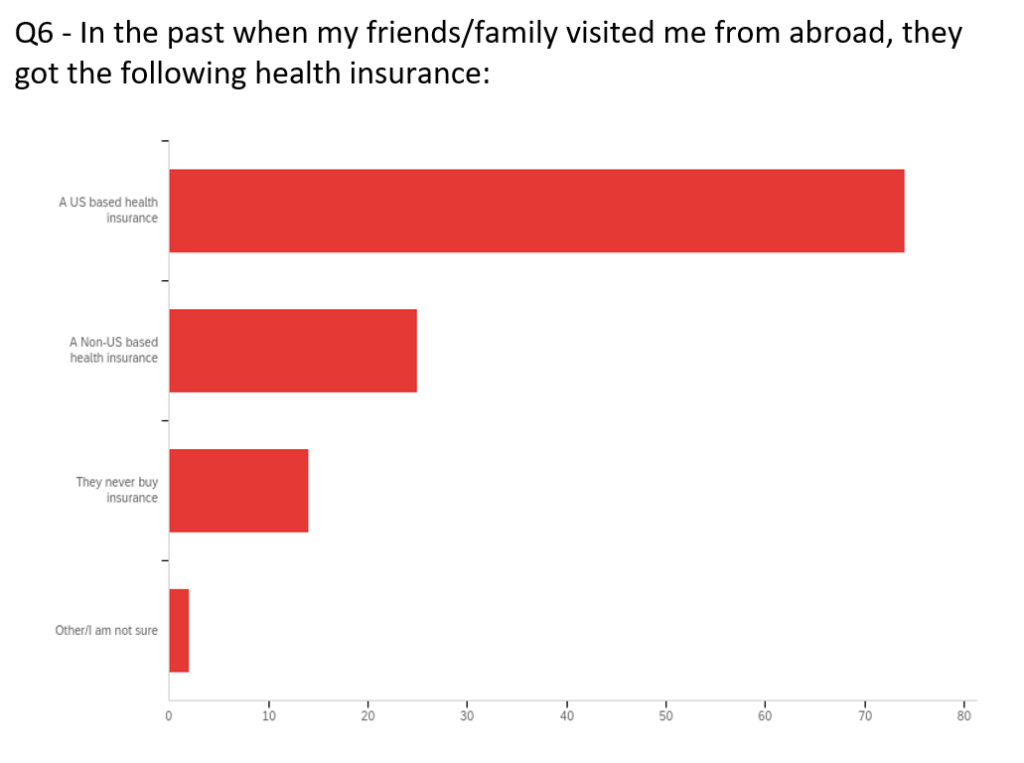
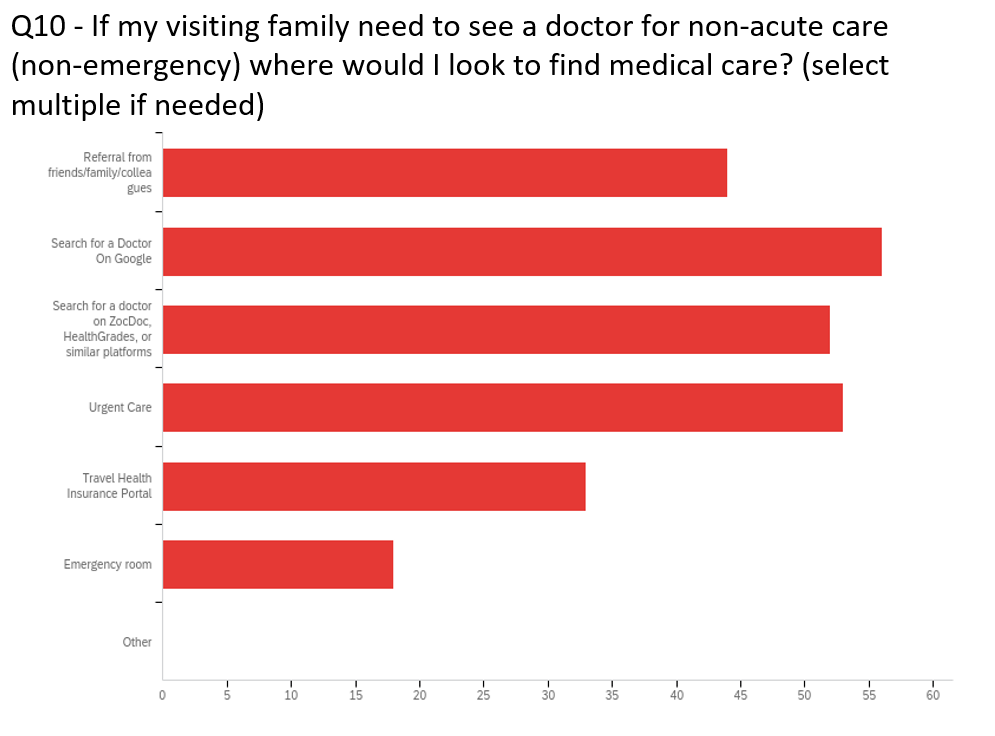
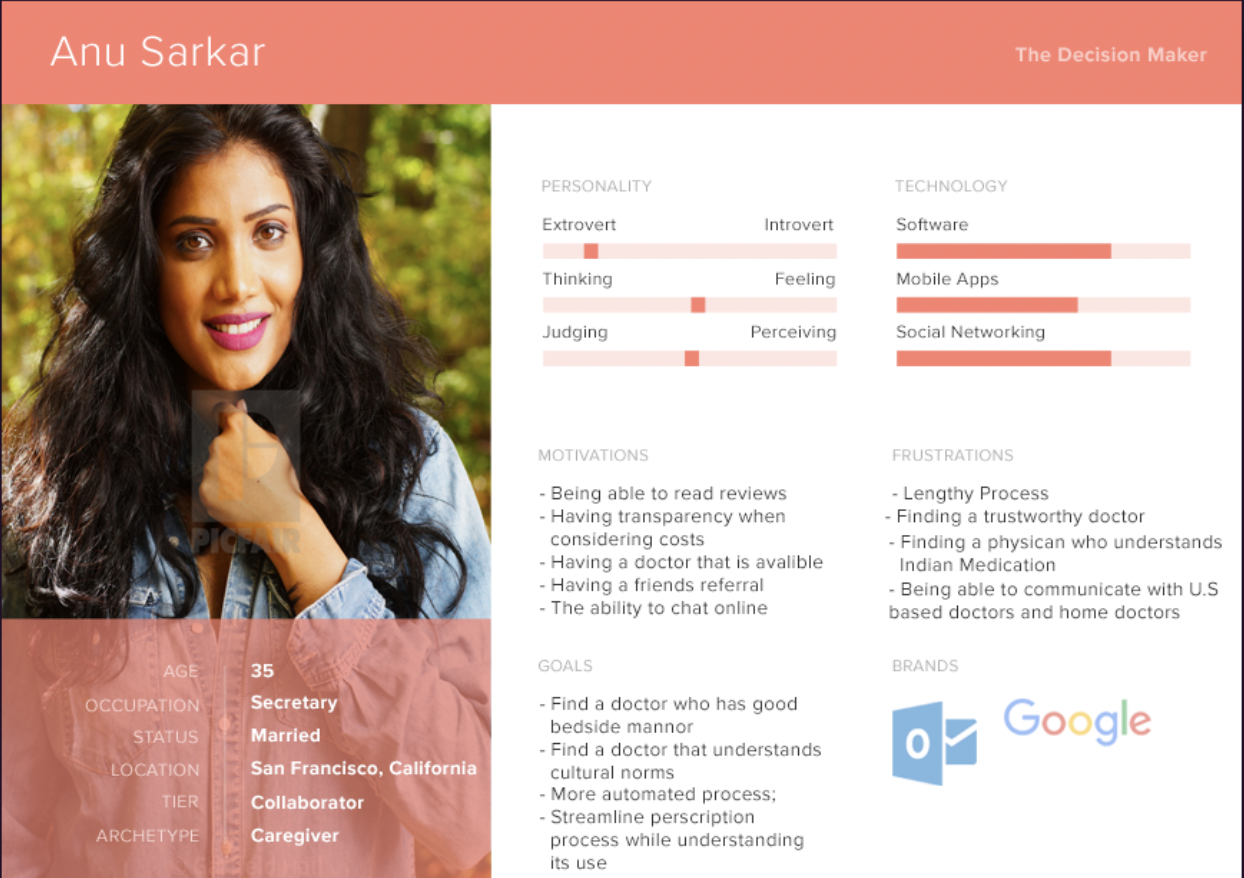
Our assumption about our initial market need was incorrect, so we pivoted to a website model where people who want travel insurance can search for different insurance plans and doctors within that network. The user could also upload electronic medical records and past prescription information from their home country, for easier access during their stay.
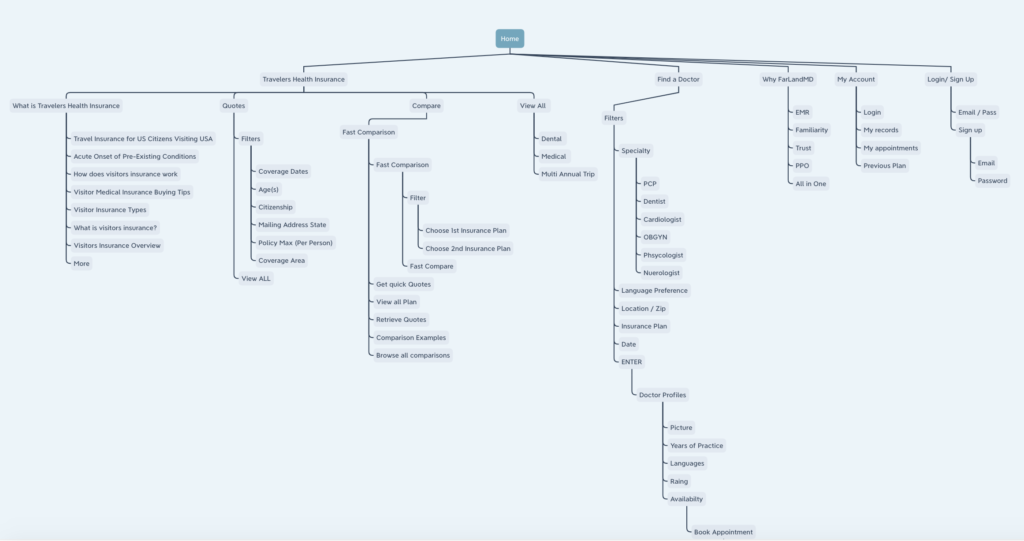
We redefined our product definition and also created site mappings and a feature mapping of similar competitors:
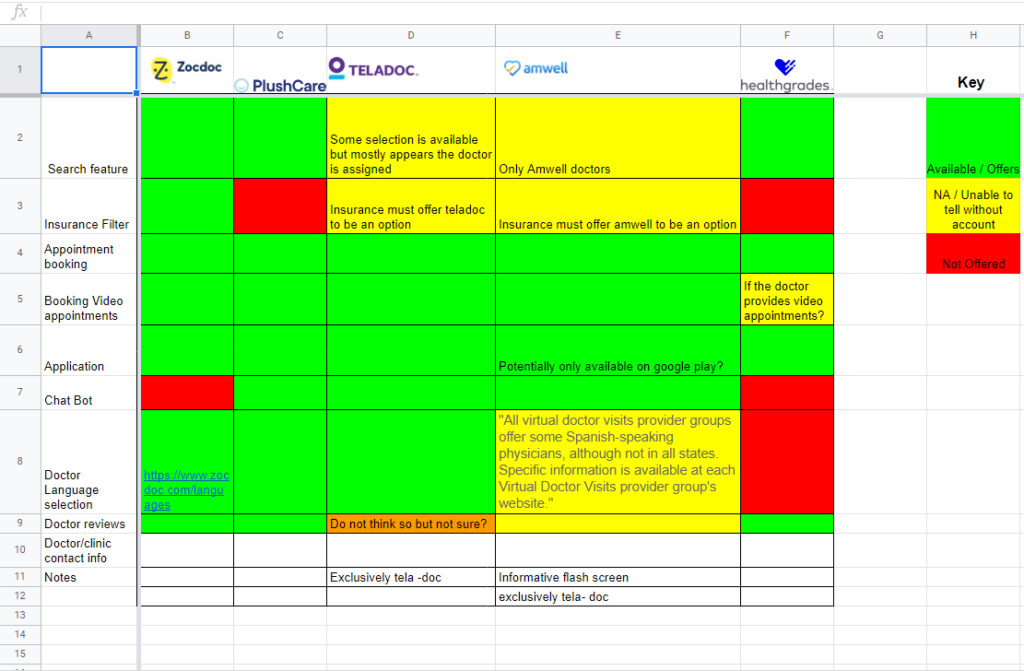
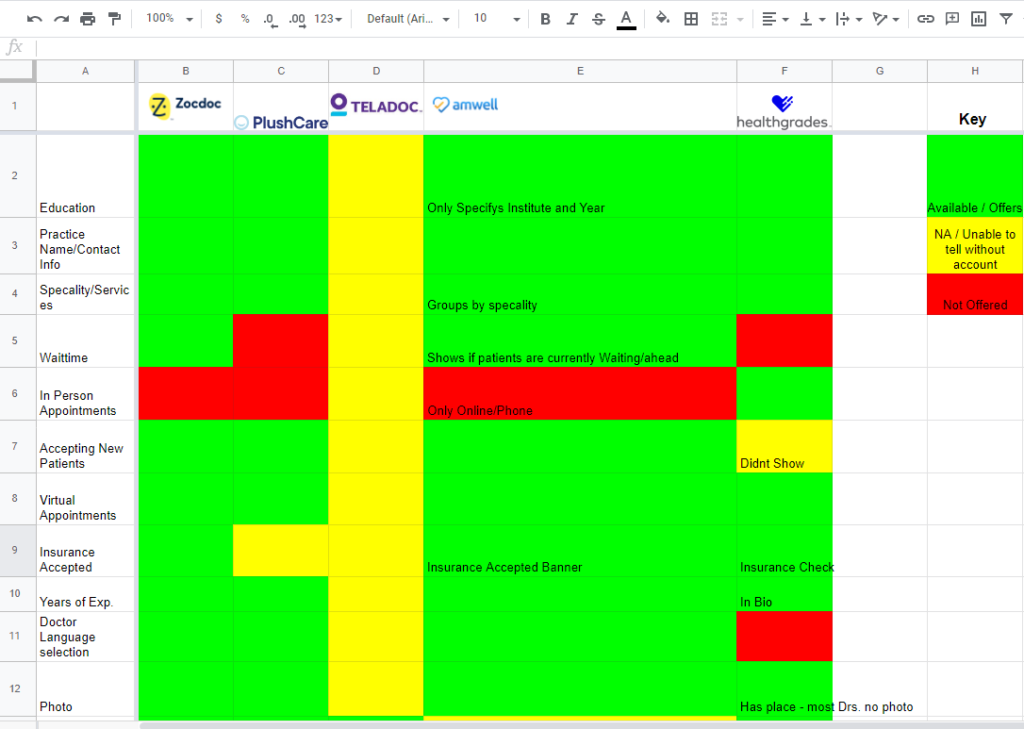
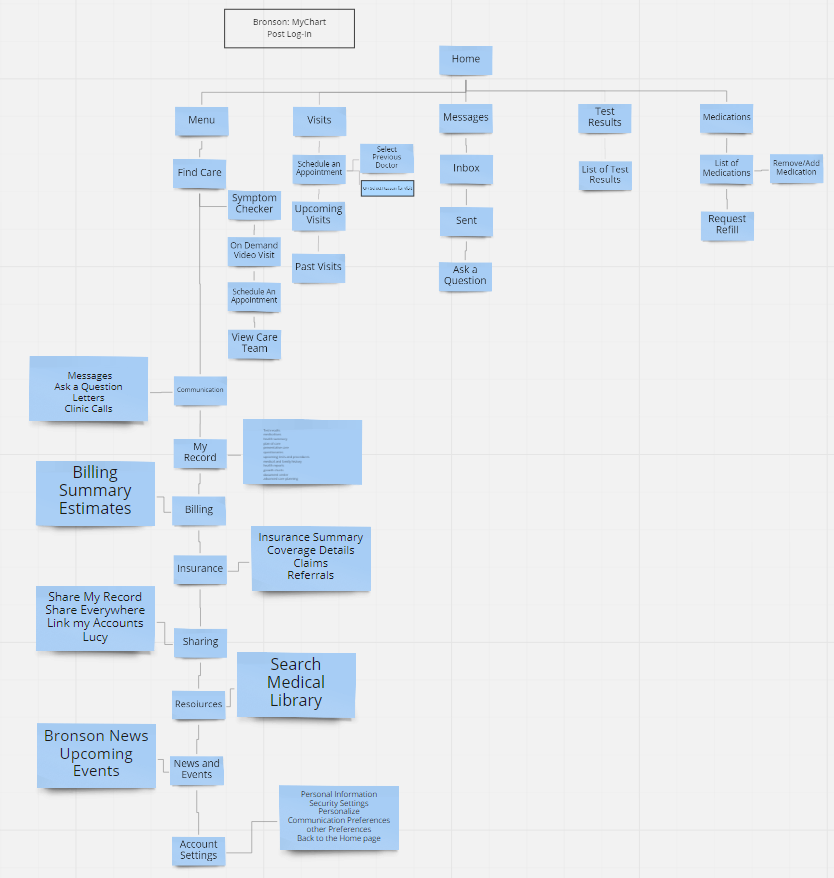
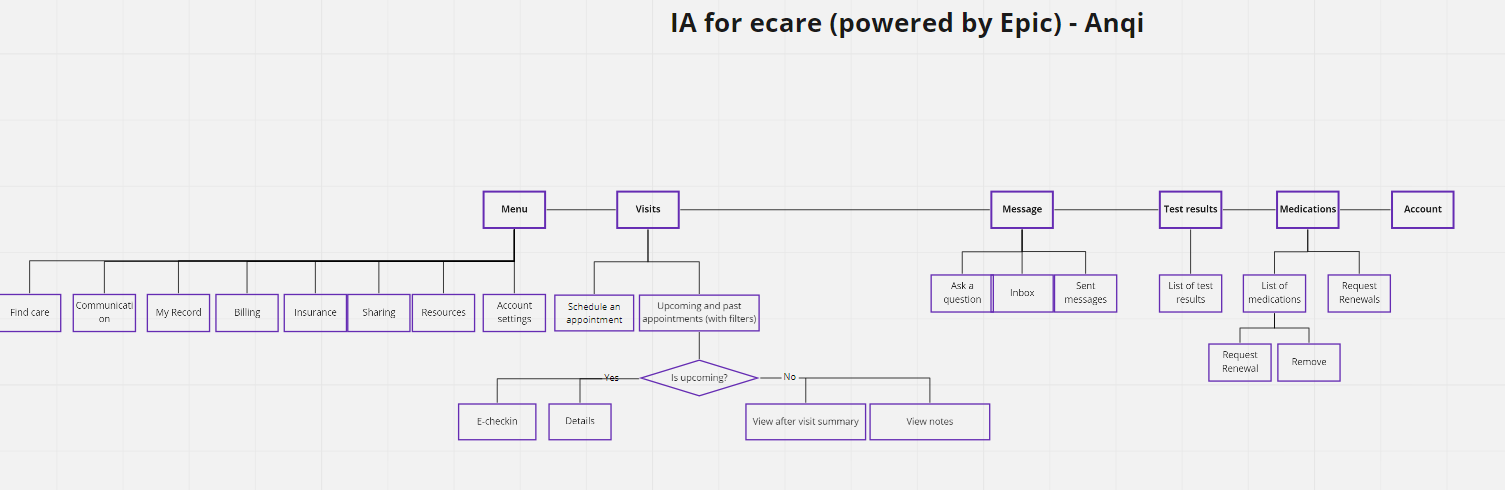
Using this information, we created a new user interview document. After more interviews, we were able to create user personas:
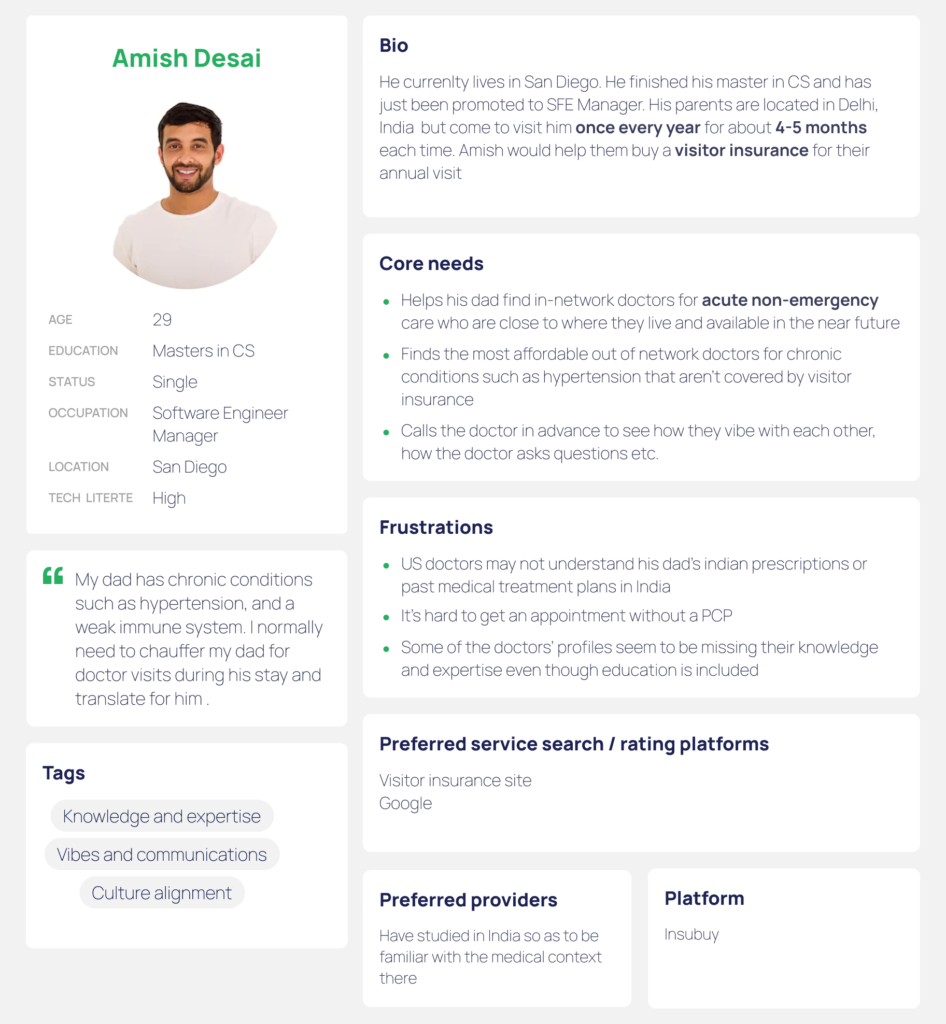
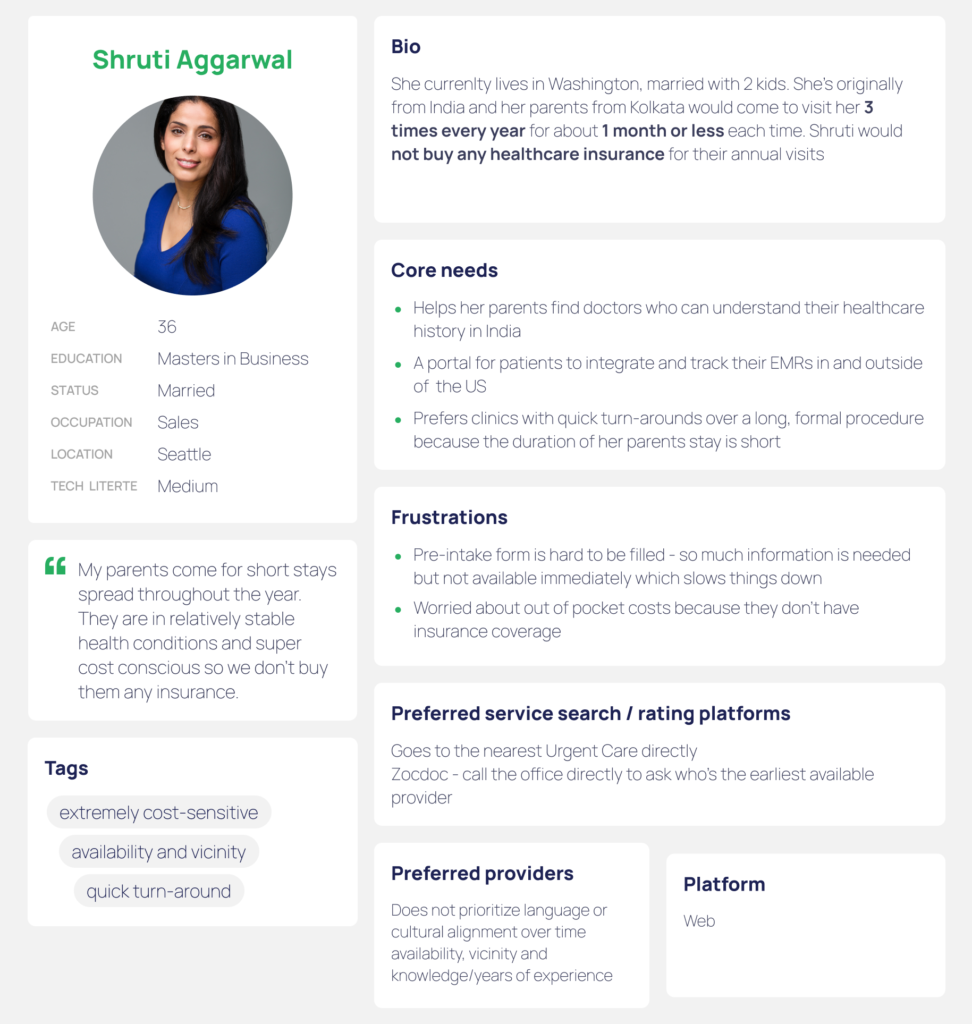
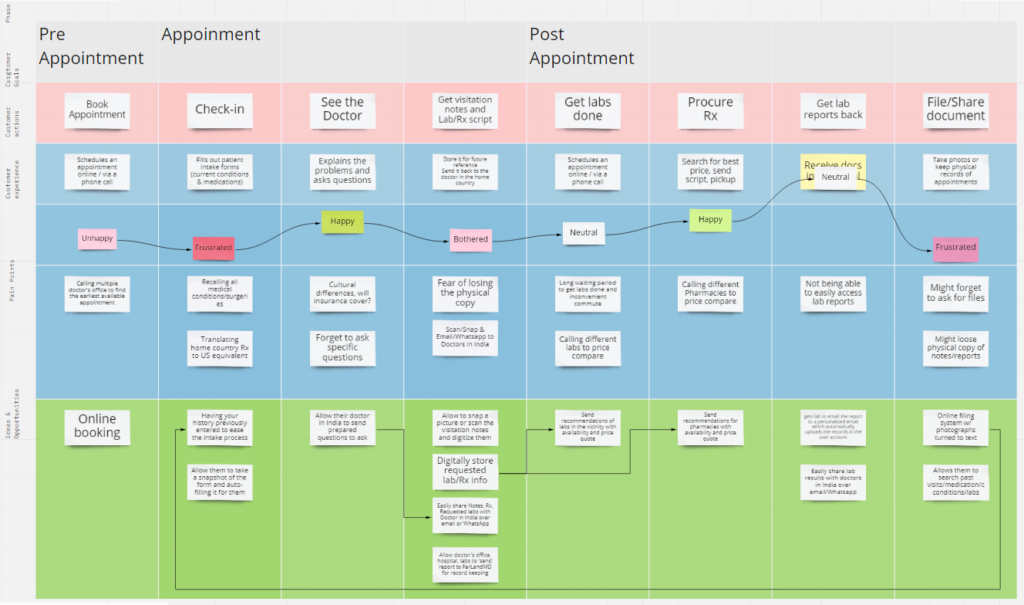
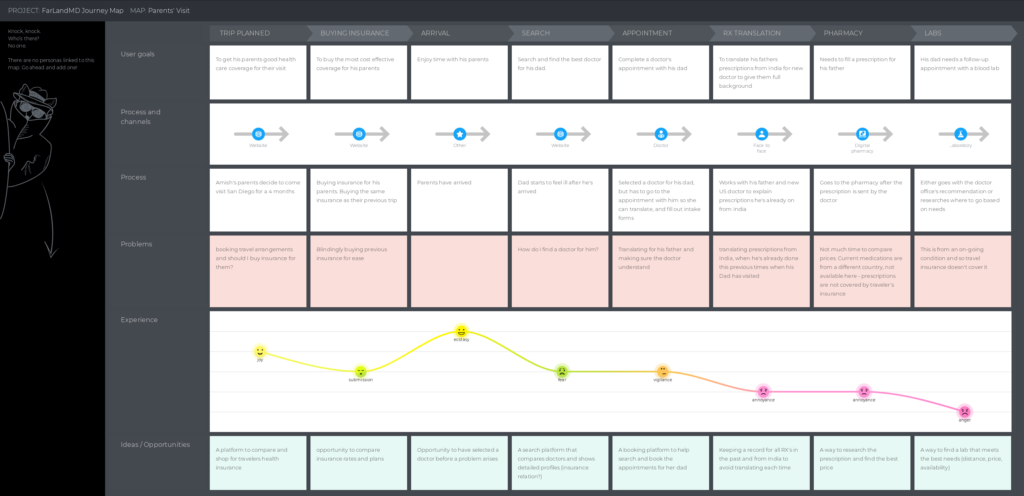
Using the personas and the interview information, we then crafted a journey mapping. It shows how someone with parents from abroad finds traveler insurance for them, a doctor, then the parent receiving treatment, and receiving prescription medication and medical labwork:
The Solution
I translated our research into detailed user personas and journey maps to visualize the new path to purchase. I then mapped out the site architecture and defined the feature requirements for each page.
- Personas: I developed profiles for both the travelers and the family members in the US who often act as decision-makers.
- Journey Mapping: I outlined the end-to-end process from purchasing traveler insurance to receiving lab work and prescriptions.
- Competitor Analysis: I evaluated the landscape to identify gaps in how current insurance providers present network data to non-residents.
Final Results
The final documentation provided a clear, research-backed blueprint for the FarLandMD platform. By identifying the correct market need early in the process, we saved the development team from building a product that would not have resonated with the target audience. The final deliverables included comprehensive user flows and a prioritized feature list ready for implementation.